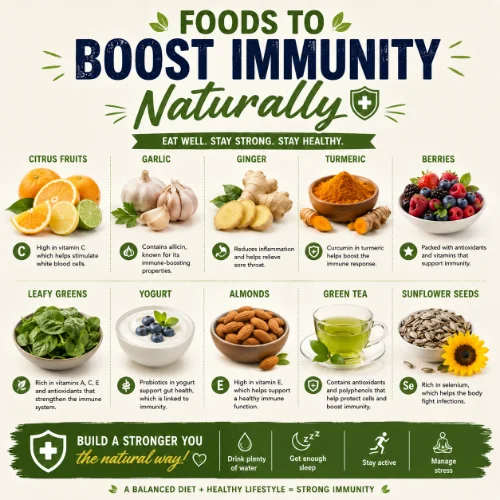
Healthy Weight Loss Tips Backed by Science for Safe and Lasting Results
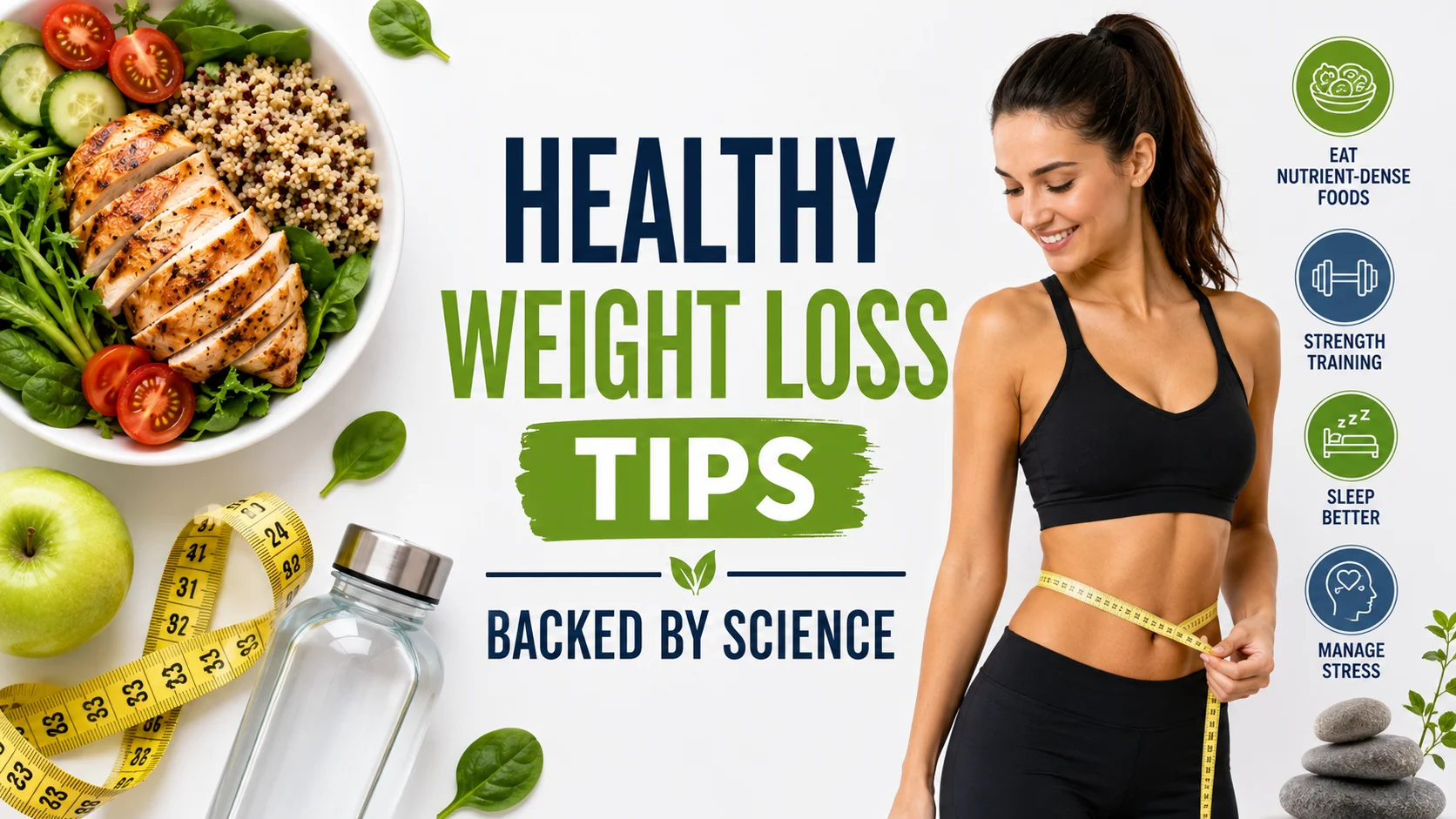
Losing weight can feel difficult, especially with so much advice online. The good news is that healthy weight loss does not have to be complicated.
Science shows that small daily habits can make a big difference. By making simple changes, you can lose weight safely and improve your overall health.
What Is Healthy Weight Loss?
Healthy weight loss means losing weight slowly and safely. Most experts recommend focusing on long-term habits instead of quick fixes.
Crash diets may help you lose weight fast, but the results often do not last. Healthy habits are easier to maintain over time.
Eat More Protein
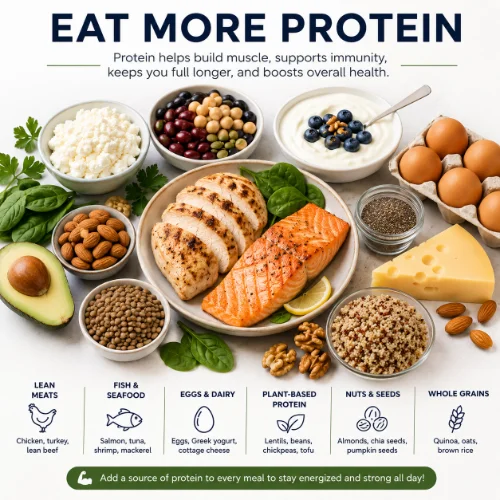
Protein helps you feel full for longer periods. This can reduce hunger and make it easier to eat fewer calories.
Good sources of protein include eggs, chicken, fish, beans, yogurt, and nuts. Try adding protein to every meal.
👉 Read more: Low Taper Fade Short Hair
Drink More Water
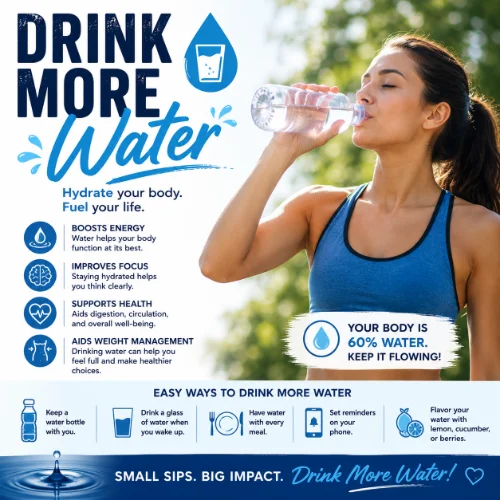
Water is important for overall health and may help control hunger. Sometimes people mistake thirst for hunger.
Drinking a glass of water before meals may help you feel satisfied. It is also a healthier choice than sugary drinks.
👉 Read more: Low Taper Fade With Bread
Eat More Fruits and Vegetables

Fruits and vegetables are low in calories and high in nutrients. They can help fill your plate without adding too many calories.
Try to include colorful fruits and vegetables with every meal. They provide fiber, vitamins, and minerals your body needs.
👉 Read more: Plan for Weight Loss
Avoid Sugary Drinks
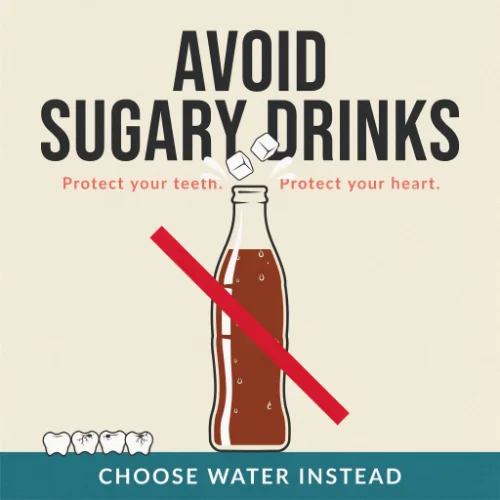
Soft drinks, sweet teas, and energy drinks often contain a lot of sugar. These drinks can add extra calories without making you feel full.
Replacing sugary drinks with water can support weight loss. It is one of the easiest healthy changes you can make.
👉 Read more: Reduce Belly Fat
Get Enough Sleep

Sleep plays an important role in weight management. Poor sleep may affect hunger hormones and increase cravings.
Most adults need around seven to nine hours of sleep each night. A good sleep routine supports overall health.
Exercise Regularly

Physical activity helps burn calories and supports a healthy body. Exercise also improves mood and energy levels.
Walking, cycling, swimming, and strength training are all great choices. Find activities you enjoy and stay consistent.
Eat Mindfully

Mindful eating means paying attention while you eat. Eating too quickly can make it harder to notice when you are full.
Try eating slowly and without distractions. This simple habit may help prevent overeating.
Choose Whole Foods

Whole foods are foods that are close to their natural form. Examples include fruits, vegetables, whole grains, and lean proteins.
These foods are usually more filling and nutritious than highly processed foods. They can help support healthy weight loss.
Control Portion Sizes
Even healthy foods can add too many calories if portions are very large. Learning proper portion sizes can be helpful.
Using smaller plates and serving reasonable amounts may make portion control easier.
Be Patient and Consistent
Healthy weight loss takes time. Many people expect quick results, but lasting success comes from steady progress.
Focus on building healthy habits rather than chasing fast results. Small improvements add up over time.
Common Weight Loss Mistakes
Skipping meals is a common mistake. It can make you feel very hungry later and lead to overeating.
Another mistake is following extreme diets. These diets are often difficult to maintain and may not provide enough nutrients.
How Fast Should You Lose Weight?
A slow and steady approach is usually best. Losing one to two pounds per week is often considered a healthy goal.
Remember that everyone is different. Progress may vary depending on age, activity level, and lifestyle.
Tips to Stay Motivated
Set realistic goals that you can achieve. Small goals often feel less overwhelming and help build confidence.
Track your progress and celebrate small wins. Staying positive can help you stay focused on your journey.
Conclusion About Healthy Weight Loss
Healthy weight loss is about creating habits that you can follow for life. Eating nutritious foods, staying active, drinking water, and getting enough sleep all play important roles.
Instead of looking for quick fixes, focus on making small daily improvements. These healthy habits can help you reach and maintain a healthy weight over time.